
Harnessing AI in Human Resources Management: Benefits and Cautions for Accurate Data Use

Artificial intelligence (AI) is transforming how human resources (HR) teams operate, offering tools that can improve efficiency and decision-making. Yet, using AI in HR requires careful attention to ensure the information it provides is accurate and fair. This post explores the benefits of AI in HR management and highlights the need for caution to maintain data integrity.
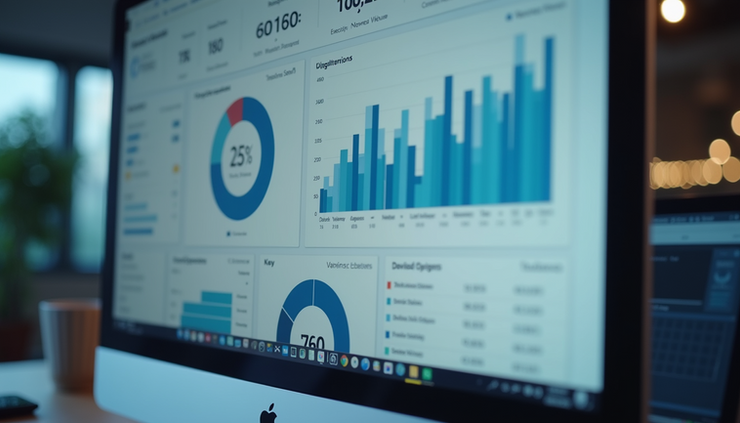
How AI Improves HR Processes
AI can handle many routine HR tasks faster and more accurately than humans. For example:
Recruitment: AI-powered tools scan resumes and match candidates to job descriptions, reducing time spent on initial screening. This helps HR teams focus on interviewing the best fits.
Employee Engagement: AI analyzes employee feedback and sentiment from surveys or communication platforms to identify morale issues early.
Performance Management: AI systems track key performance indicators and provide insights on employee productivity trends.
Training and Development: AI recommends personalized learning paths based on employee skills and career goals.
These applications save time, reduce human bias, and provide data-driven insights that support better HR decisions.
Risks of Relying on AI Without Verification
Despite its advantages, AI is not infallible. It depends on the quality of the data it processes and the design of its algorithms. Common risks include:
Biased Data: If historical HR data reflects past biases, AI may perpetuate unfair hiring or promotion practices.
Inaccurate Predictions: AI models can make errors if they lack enough relevant data or if the data is outdated.
Privacy Concerns: Collecting and analyzing employee data requires strict compliance with privacy laws and ethical standards.
Overreliance on Automation: Ignoring human judgment in favor of AI recommendations can lead to poor decisions.
To avoid these pitfalls, HR teams must regularly audit AI outputs and ensure transparency in how decisions are made.
Best Practices for Using AI in HR
To get the most from AI while maintaining accuracy and fairness, HR professionals should:
Validate Data Sources: Use clean, up-to-date, and representative data sets for AI training.
Combine AI with Human Oversight: Treat AI as a support tool, not a decision-maker. HR experts should review AI recommendations.
Monitor for Bias: Regularly test AI models for signs of bias and adjust algorithms as needed.
Protect Employee Privacy: Follow data protection regulations and communicate clearly with employees about data use.
Train HR Staff: Equip HR teams with knowledge about AI capabilities and limitations.
Real-World Example
A multinational company used AI to screen job applicants and reduced their average hiring time by 40%. However, after discovering the AI favored candidates from certain universities, they adjusted the algorithm and added human review steps. This improved fairness and maintained efficiency.


Comments